Welcome to Desk & Decor
Sign in to continue shopping
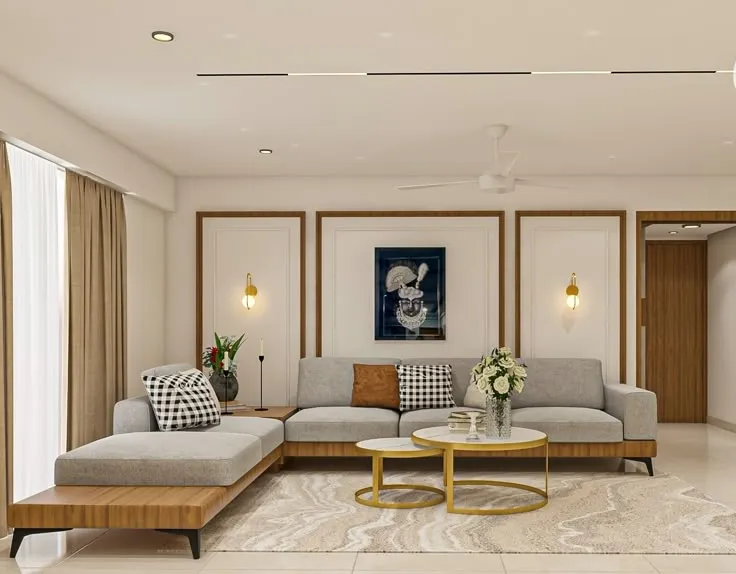

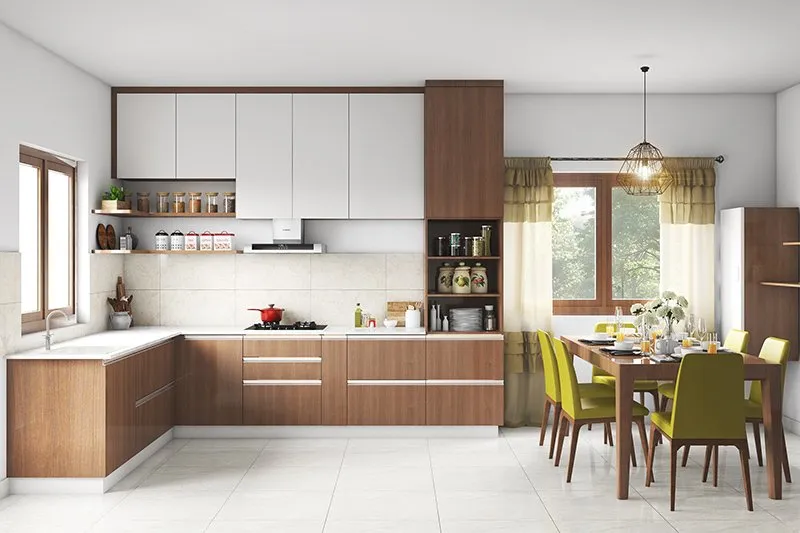

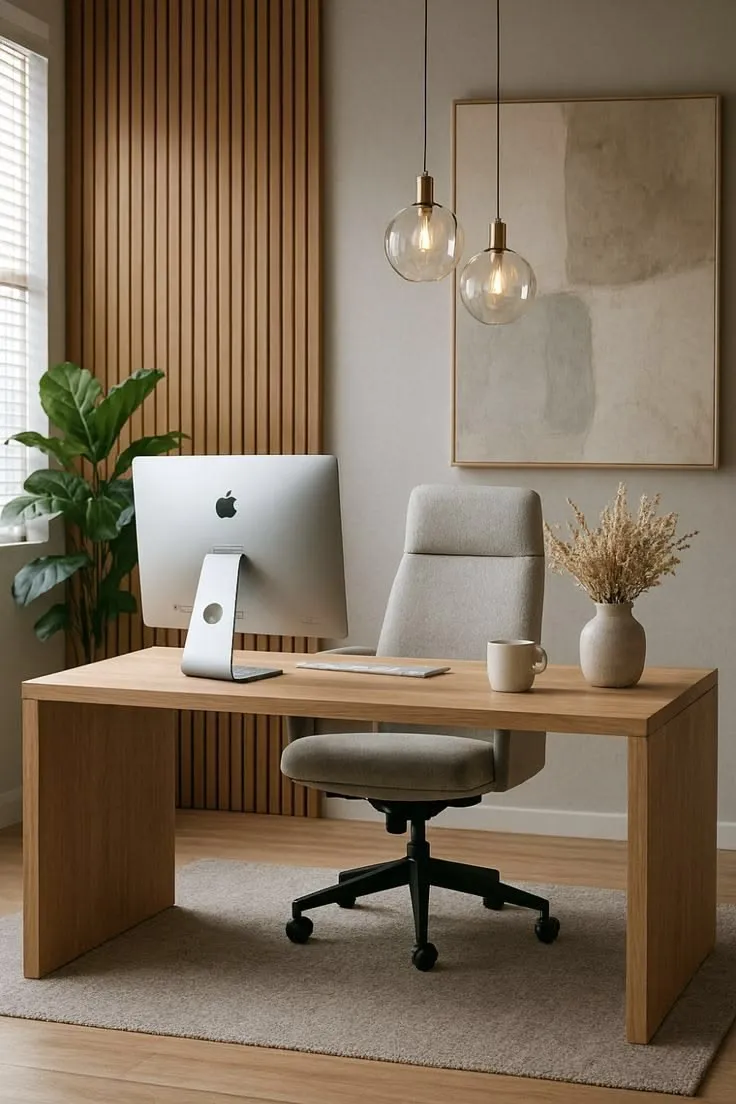
Successful coworking spaces are built around people, not just desks. Entrepreneurs, freelancers, startups, consultants, remote professionals, and growing businesses all expect a workspace that encourages productivity while creating opportunities to connect with others. Desk & Decor helps create coworking environments that combine functionality, comfort, and a strong sense of community.
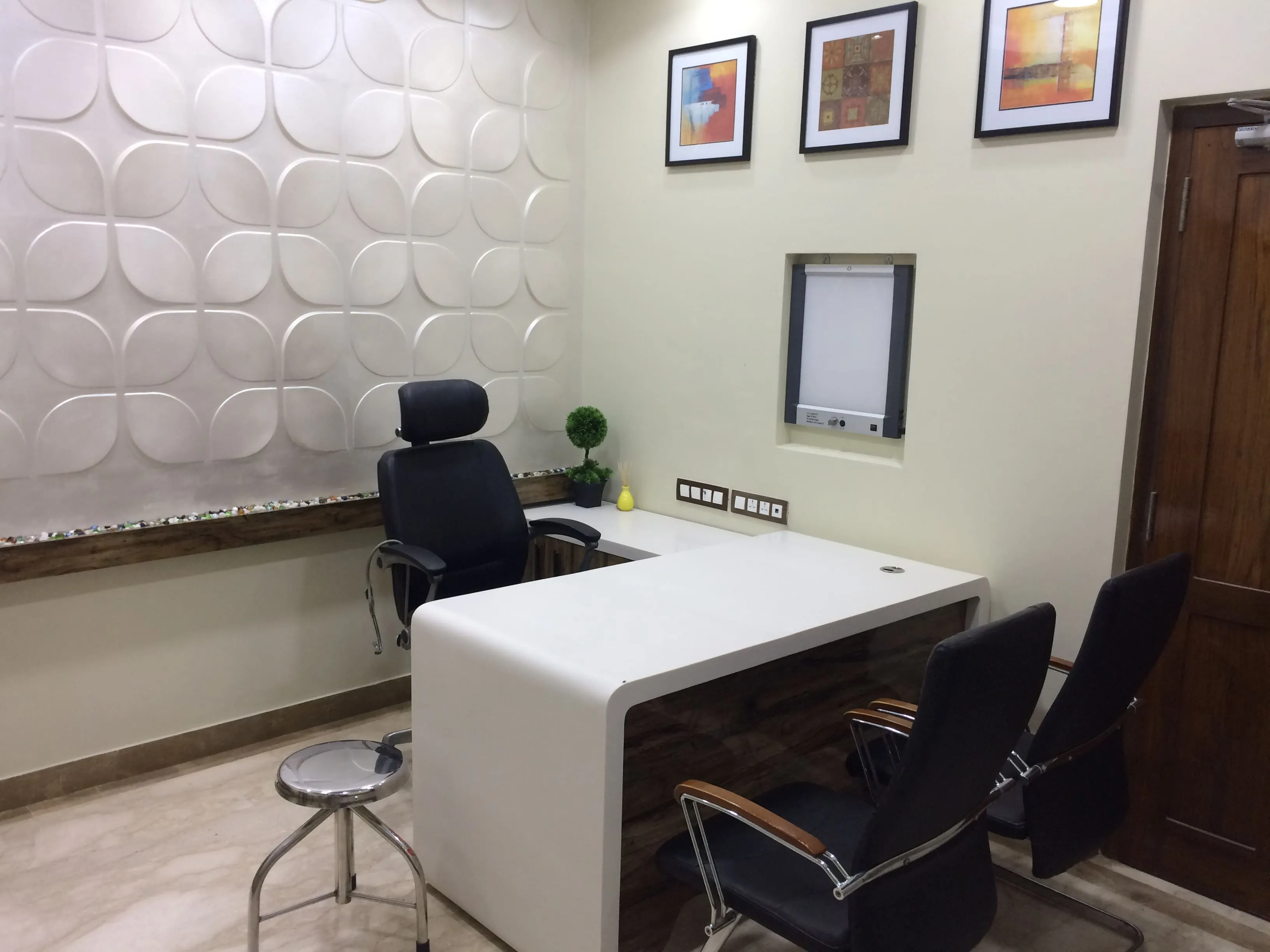
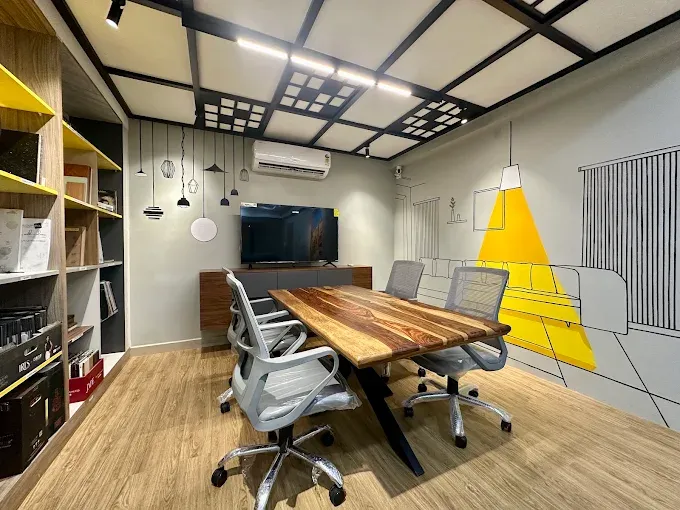
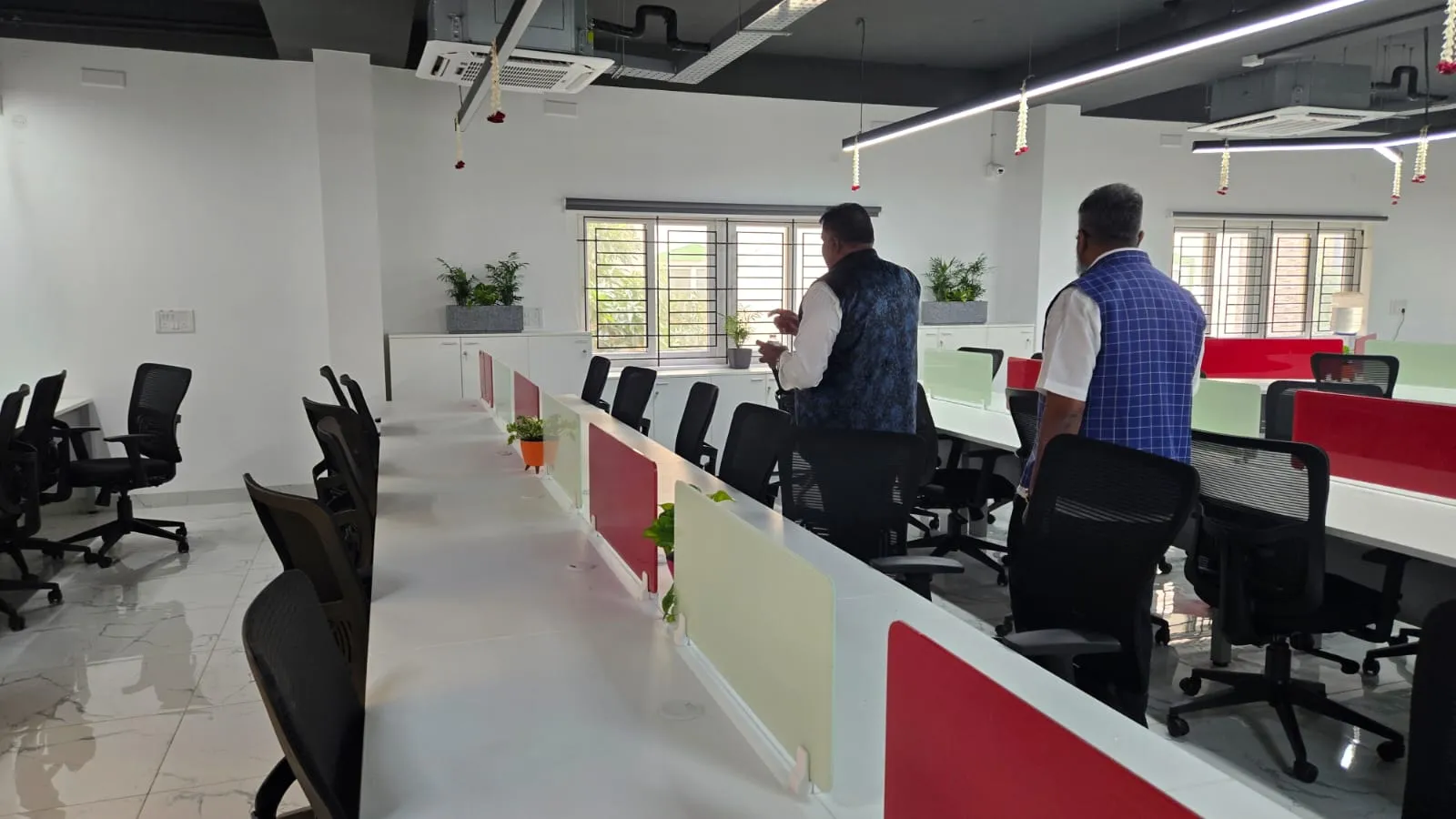
Coworking spaces serve a wide variety of users, including daily visitors, dedicated desk members, private office teams, and enterprise clients. Interior layouts should provide flexible seating arrangements, private cabins, team suites, and shared work areas that support different membership plans without compromising the overall workspace experience. Private cabins, open desk areas, and bookable meeting rooms are core components of successful coworking centres.
Networking is one of the biggest advantages of coworking. Café-style seating, community lounges, breakout spaces, and informal discussion areas encourage conversations that can lead to new partnerships, business opportunities, and professional relationships while strengthening the overall coworking community.
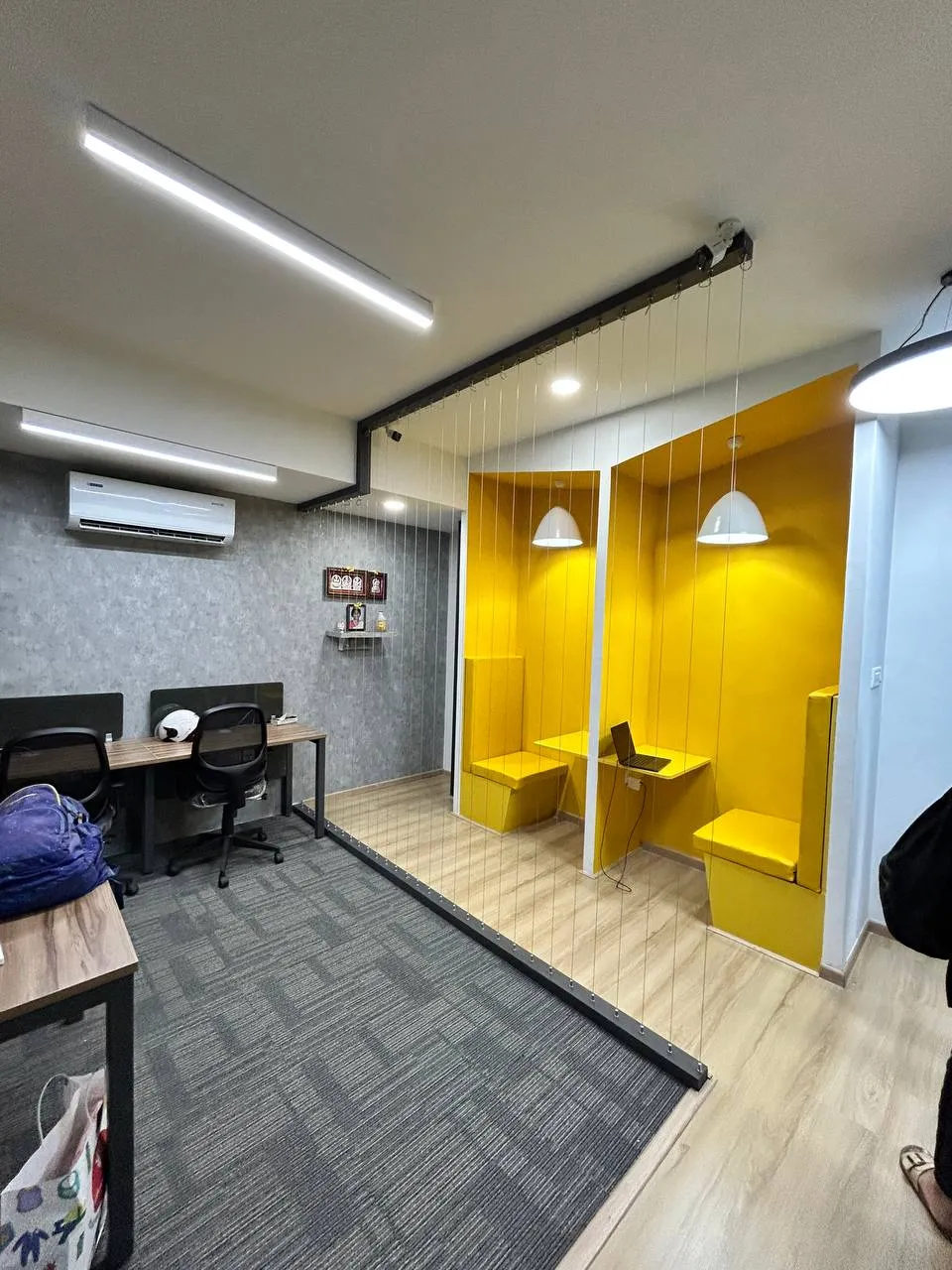
Not every task requires an open environment. Phone booths, acoustic pods, focus rooms, and private cabins allow members to attend meetings, take calls, or complete concentrated work without interruptions. Modern coworking design increasingly combines open collaboration with dedicated quiet spaces.
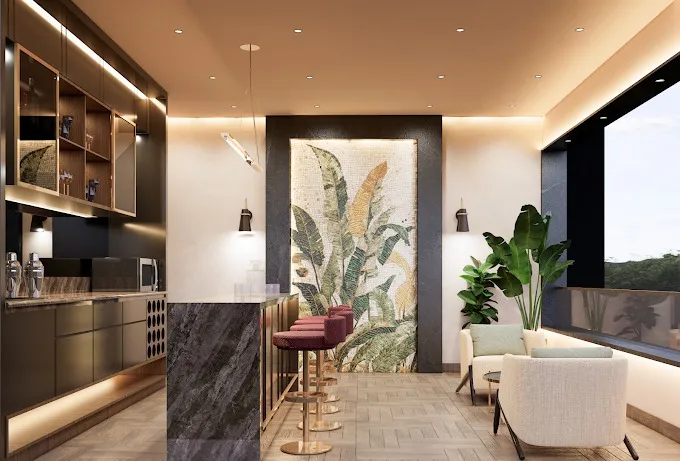
Today's coworking members expect more than a workstation. Coffee bars, wellness corners, podcast rooms, event spaces, training rooms, printing stations, lockers, and collaborative kitchens enhance the overall experience while making the workspace more attractive to individuals and businesses.
A successful coworking centre balances user comfort with operational efficiency. Intelligent space planning helps optimize desk capacity, circulation, meeting room usage, and shared amenities while maintaining a spacious and welcoming environment that encourages long-term memberships.
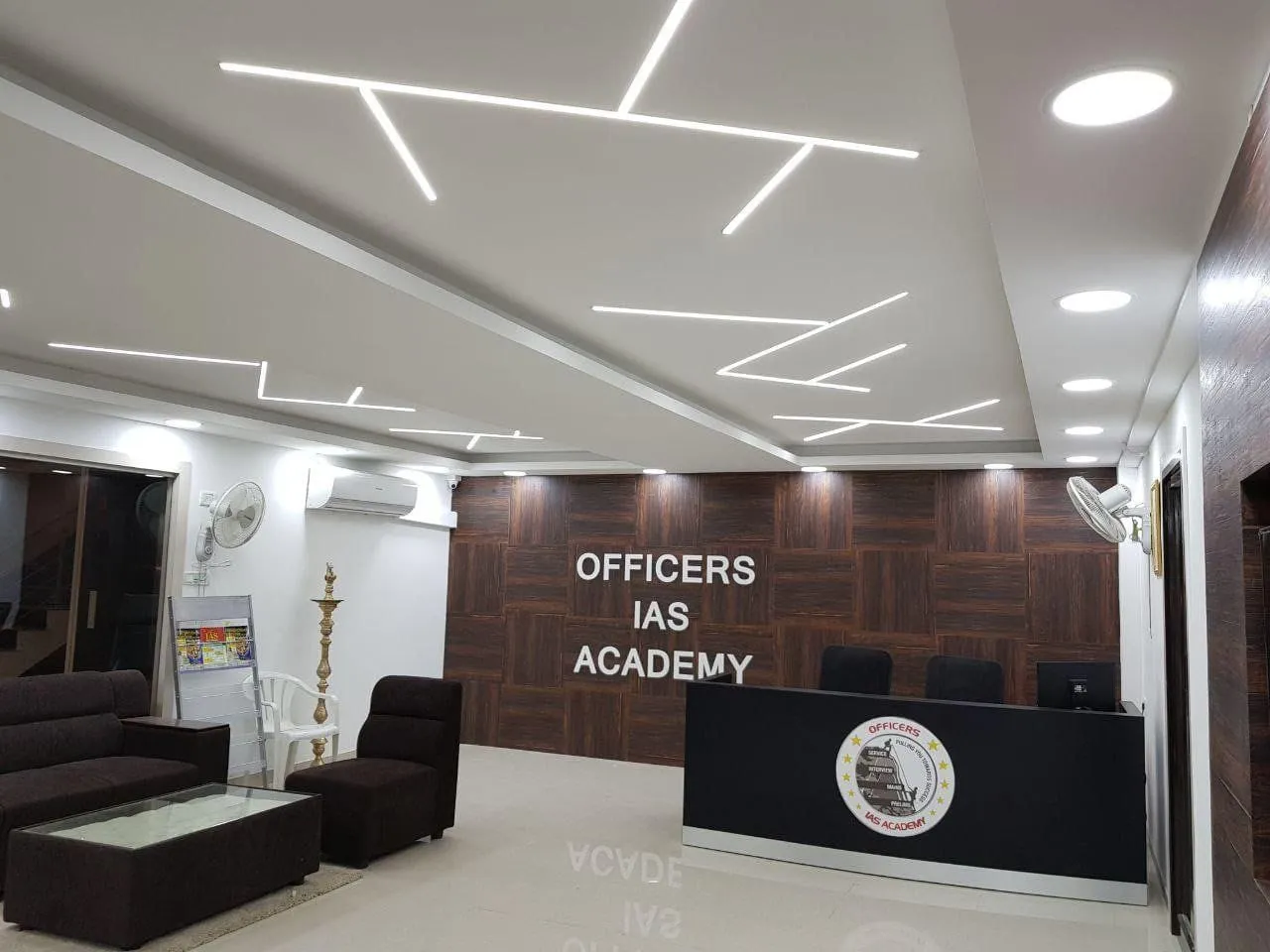
Interior design plays a significant role in how members perceive a coworking brand. Reception areas, community walls, signage, artwork, lighting, colour schemes, and furniture selections help create a memorable environment that encourages repeat visits and member loyalty.
Coworking operators must respond quickly to changing work styles and business demands. Modular furniture, movable partitions, adaptable meeting spaces, and technology-ready interiors allow workspaces to evolve without major renovation costs while supporting long-term operational flexibility. Flexible, reconfigurable layouts continue to be a defining trend in coworking design.