Welcome to Desk & Decor
Sign in to continue shopping
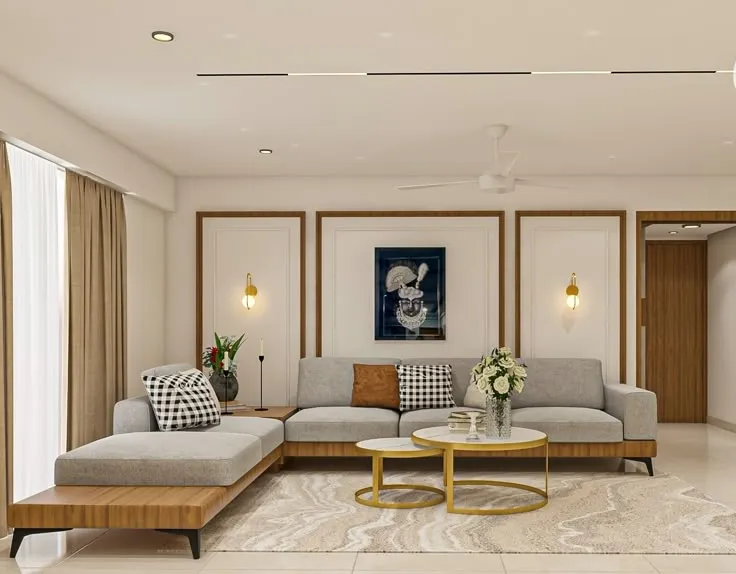

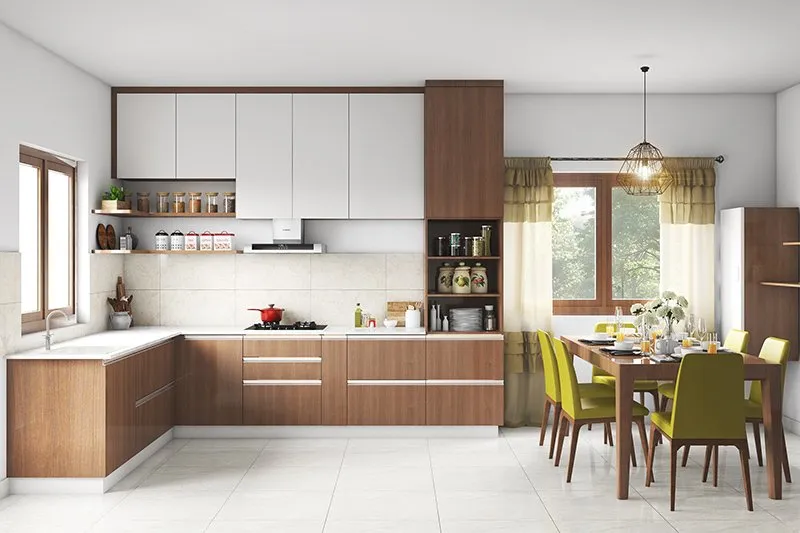


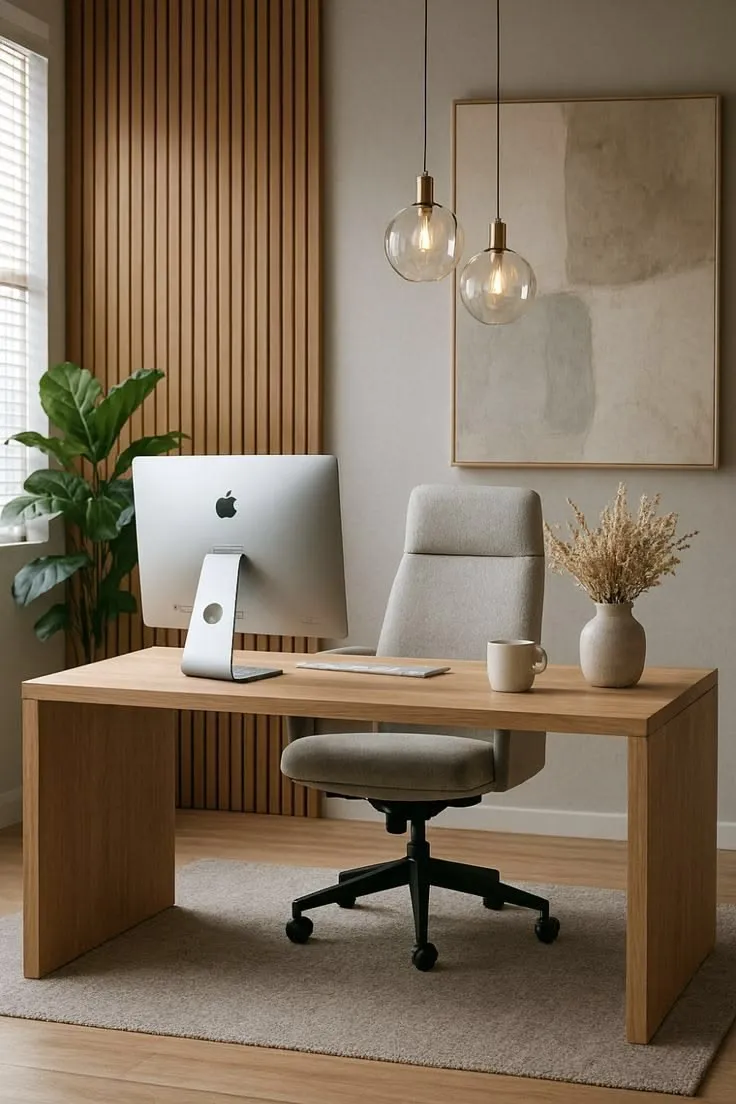

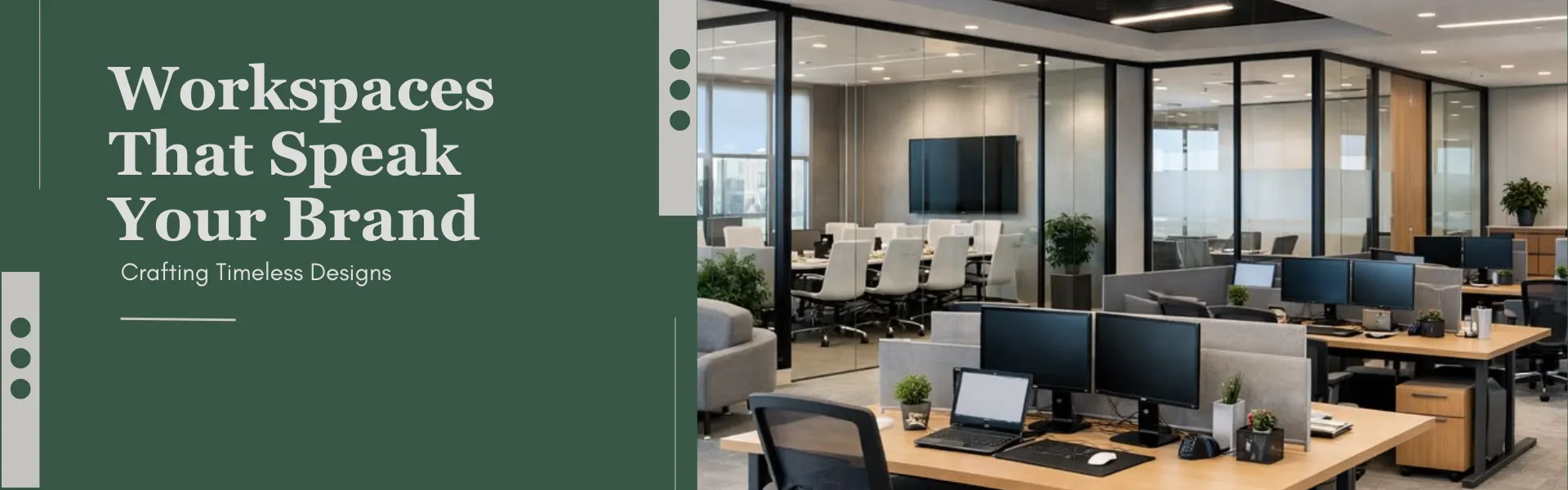
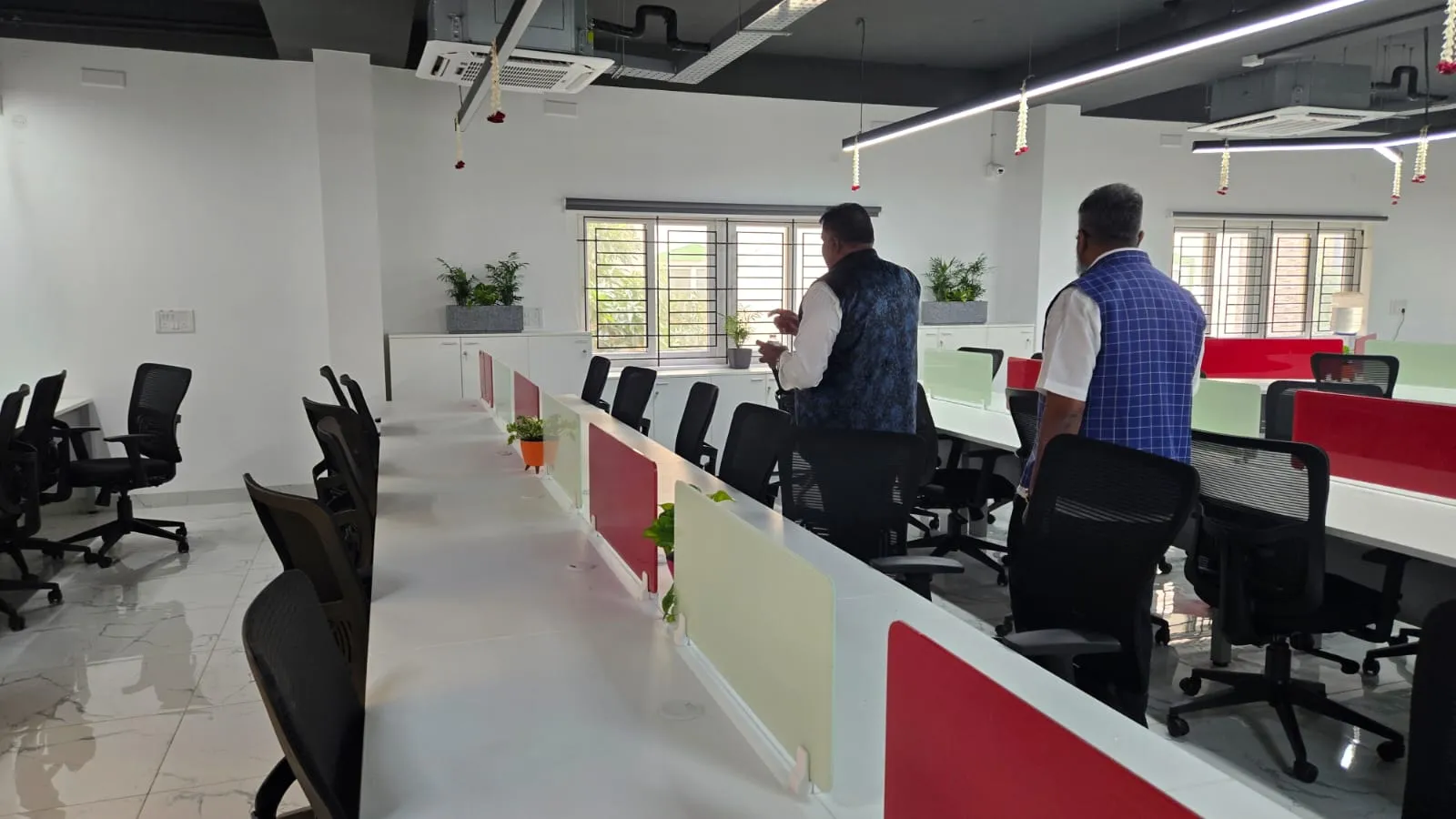
Modular office workstations are designed to help businesses create organized, efficient and adaptable workplaces. Unlike standalone office desks, modular workstation systems can be configured into different layouts to suit team size, available floor space and work requirements. From private workstations and back-to-back desks to cluster and benching systems, modular office furniture makes it easier to build a workspace that can evolve with your business. At Desk & Decor, explore modular workstations and office furniture solutions suitable for corporate offices, IT companies, startups, coworking spaces and other commercial workplaces.
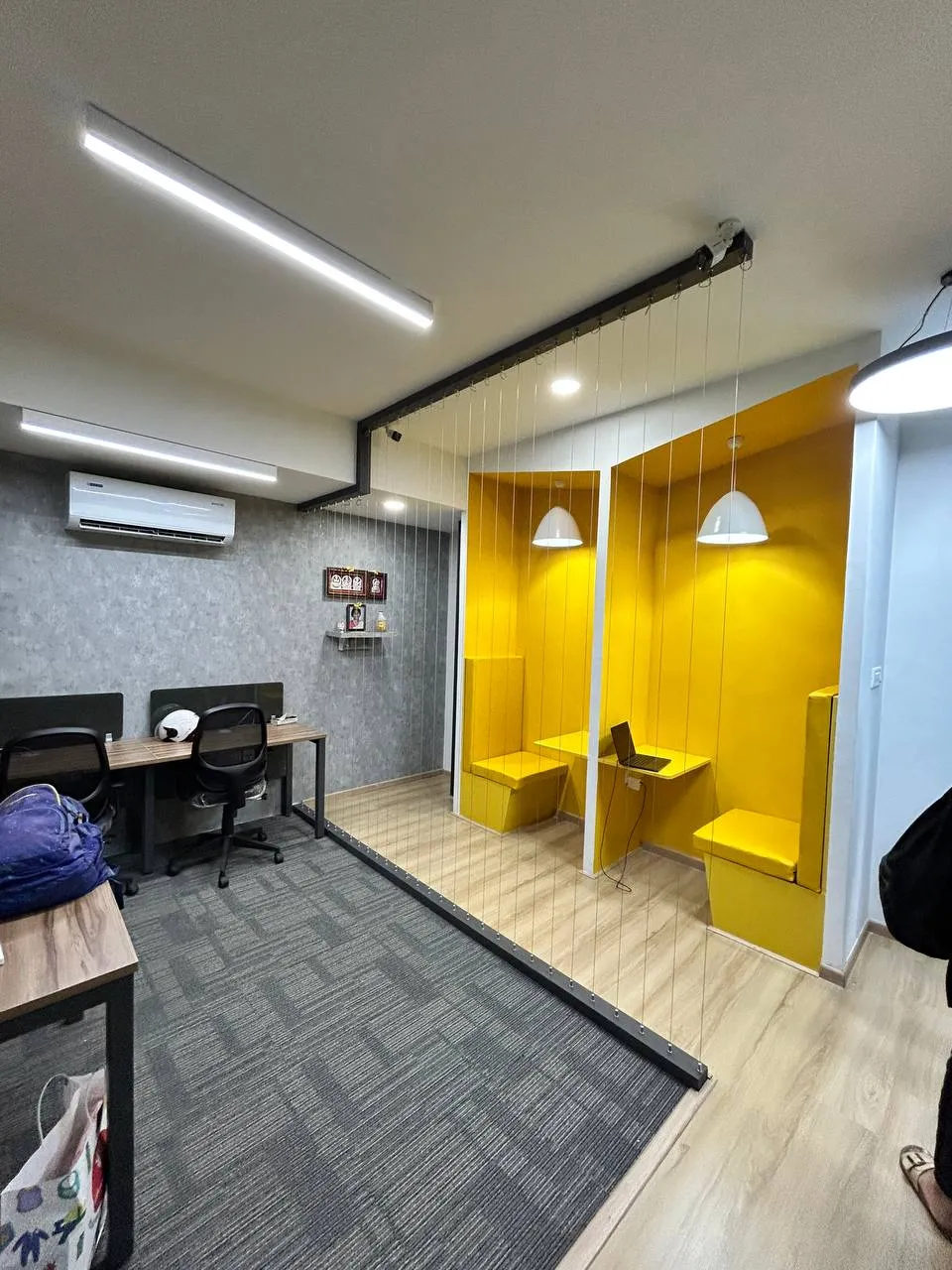
Modular office workstations are configurable office furniture systems made up of desks, partitions, storage units and supporting components that can be arranged according to the needs of a workplace. Their modular design allows businesses to add, remove or rearrange workstations when teams, departments or office layouts change. This makes modular workstations a practical choice for businesses that want functional office furniture without being restricted to one permanent layout.
Different office environments require different workstation configurations. Choosing the right layout can help businesses make better use of available space while providing employees with comfortable and organized work areas.
Private modular workstations provide employees with a more dedicated workspace while maintaining the flexibility of a modular furniture system. They are suitable for roles that require concentration, confidential work or reduced visual distractions.
Back-to-back workstation systems place employees on opposite sides of a shared structure. They are useful for offices that need to accommodate more employees while maintaining organized desk arrangements.
Cluster workstation layouts group multiple desks together to create collaborative work zones. They work well for departments where employees need to communicate and work closely with one another.
Bench-style workstations provide a streamlined arrangement for teams working in open-plan offices. They can help maximize floor space while maintaining consistent desk layouts across a department.
Modular workstations can be rearranged as your business requirements change. This allows companies to adapt office layouts when teams expand, departments move or seating requirements change.
A well-planned workstation layout can help businesses accommodate employees efficiently without making the workspace feel overcrowded. Different configurations can be selected according to room dimensions, circulation requirements and team size.
Growing businesses can add workstations to an existing layout instead of completely replacing their office furniture. This makes modular workstation systems suitable for companies planning future expansion.
For collaborative departments, cluster and benching systems can create connected work zones. For teams that require more individual concentration, private or partitioned workstations can provide additional separation. Back-to-back layouts can help businesses use available floor space efficiently while maintaining consistent seating arrangements.
IT and technology companies, Corporate offices, Startups, BPO and customer support offices, Coworking spaces, Financial offices, Educational institutions, Healthcare offices, Government workplaces, Professional service firms,
Desk & Decor helps businesses, architects, interior designers and facility teams discover office workstation solutions from different brands and collections. Explore modular workstations, compare available designs and find furniture suitable for your office layout, team requirements and workplace style. Whether you are setting up a new office, expanding an existing workspace or redesigning a commercial interior, modular workstation systems can provide the flexibility needed for changing workplace requirements.